
RPGs Are About Progression

Over the years I’ve played many role-playing games (RPGs). RPGs are weird, as they contain so many different elements and differ greatly in how much emphasis they put on which part. This ambiguity made me wonder about what makes an RPG fun. For me, the answer is progression. However, before I explain this in more detail, I first have to talk about the elements of an RPG.
The RPG Grab Bag
RPGs usually contain these elements:
combat system (turn-based or real-time)
character system
character progression
item management
main story
side quests
exploration
choices and consequences
This is quite a long list, and I even excluded some staples like a party system and a character creation screen because not every RPG has them. Even so, the list shows how multifaceted RPGs are. This complex nature makes it very difficult to get every element right. In fact, no existing RPG is excellent in all elements. The quality of an RPG is hence highly subjective: it depends chiefly on our priorities on the different elements.
Player preferences differ a lot in this regard. If we search the internet for what people enjoy about RPGs, we find things like a good story, tight combat, likeable party members, romance, exploration, player choice, customization, good side quests, interesting loot, build variety, a reactive world, progression, and more.
This variety makes it quite difficult to actually recommend an RPG to someone and also turns the genre into a grab bag. We hardly ever know in advance what element balance a certain RPG strikes and hence won’t know whether it matches our taste. For example, if we like a good story and exceptional writing, then Planescape: Torment is right up our alley. If we like tense tactical RPG combat, then it’s probably not for us.
This uncertainty might even lead us to the conclusion that it’s impossible to determine the quality of an RPG. After all, no RPG in history is great in every regard, so no RPG will be for everyone. However, I still think that there is a key quality of every great RPG, and that is a great character progression.
Progression Is King
All RPGs have a character progression. Their key allure is getting stronger over the course of the game. It’s no coincidence that this element has made its way into other genres like shooters. The feeling of growth that the character progression gives us is just too fantastic to pass up. It’s what keeps us motivated and also the reason why some players will spend hundreds of hours grinding for some item.
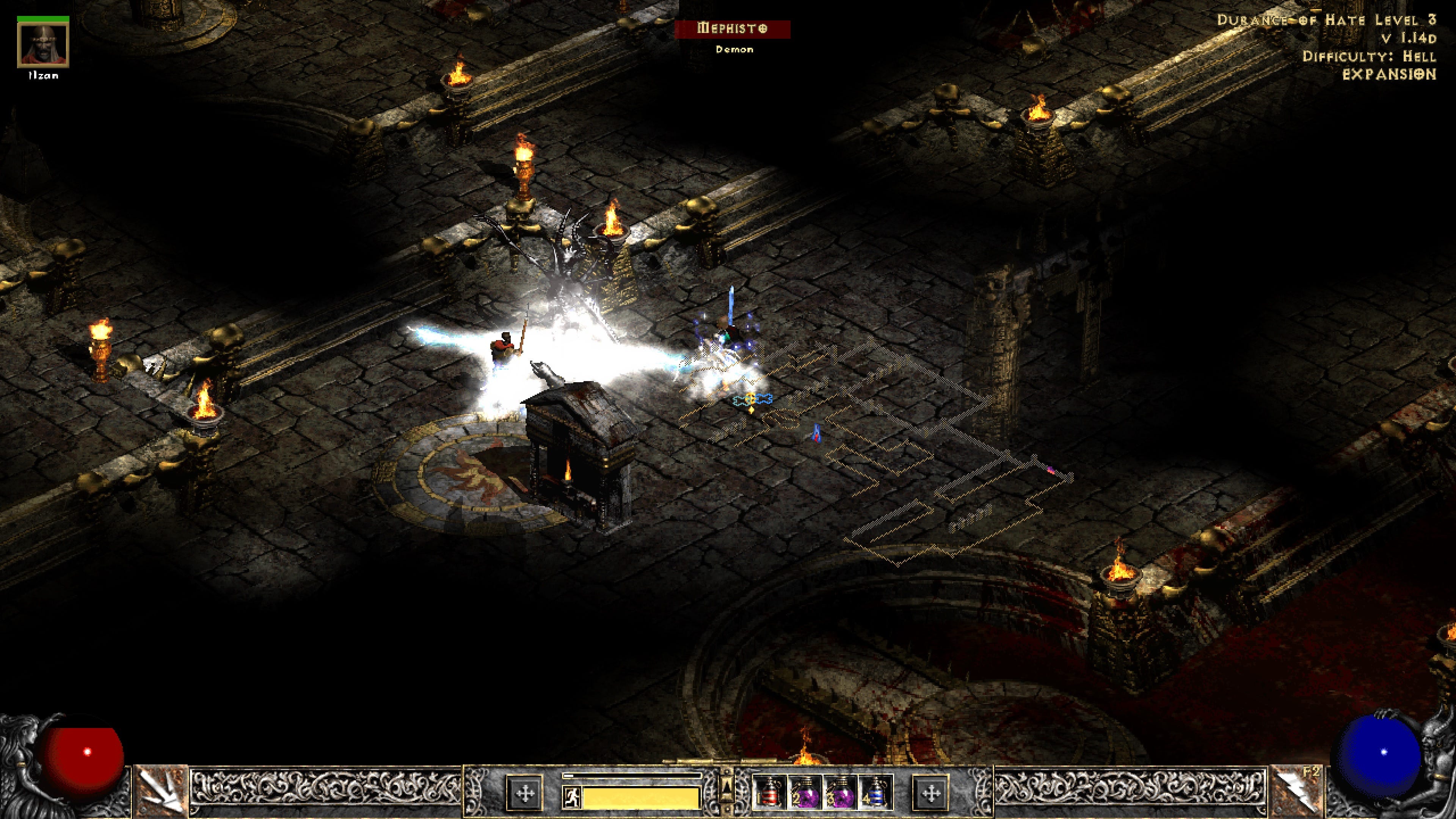
Without progression, there really is no RPG. Let’s try to imagine a classic RPG like Fallout without any character progression. We don’t get any level-ups, find no better items, and continue to fight the same starting enemies all throughout the game. The other parts of the game are unchanged. I’m not sure how to classify this imaginary game, but it clearly isn’t an RPG. It most closely resembles a visual novel with some combat stapled on.
The progression also provides the motivation for the other game elements. When we explore the game world, hunt for better loot, or complete side quests in an RPG, we do it to get stronger. Sure, we might also see some pretty sites and experience some interesting stories, but our key motivation is the progression.
Think about it: if, for example, side quests provided no benefit at all to our character, would we even bother with them? Sure, some side quests might have such an interesting setup that we take a look at them nevertheless, but I doubt that this is true for most of them.
Even though the character progression is essential, not all RPGs actually do it well. Some RPGs have very lackluster progression systems, while others shine in that regard. Examples of great character progressions are Fallout, Gothic, Drova, System Shock 2, Colony Ship, and Persona 5. In terms of underwhelming progressions, Kingdoms of Amalur, Cyberpunk 2077, and Planescape: Torment come to my mind. But what exactly makes a character progression good?
A good character progression builds on contrast and on noticeable improvements. Contrast means that we first experience being weak before we get strong. Gothic is fantastic at this. In the beginning of the game, common animals like wolves are big threats. However, once we level up a couple times and get at least decent gear, they become manageable before turning into one-hit kills later in the game. This is incredibly satisfying, as we get to experience our revenge for all the deaths in the early game.
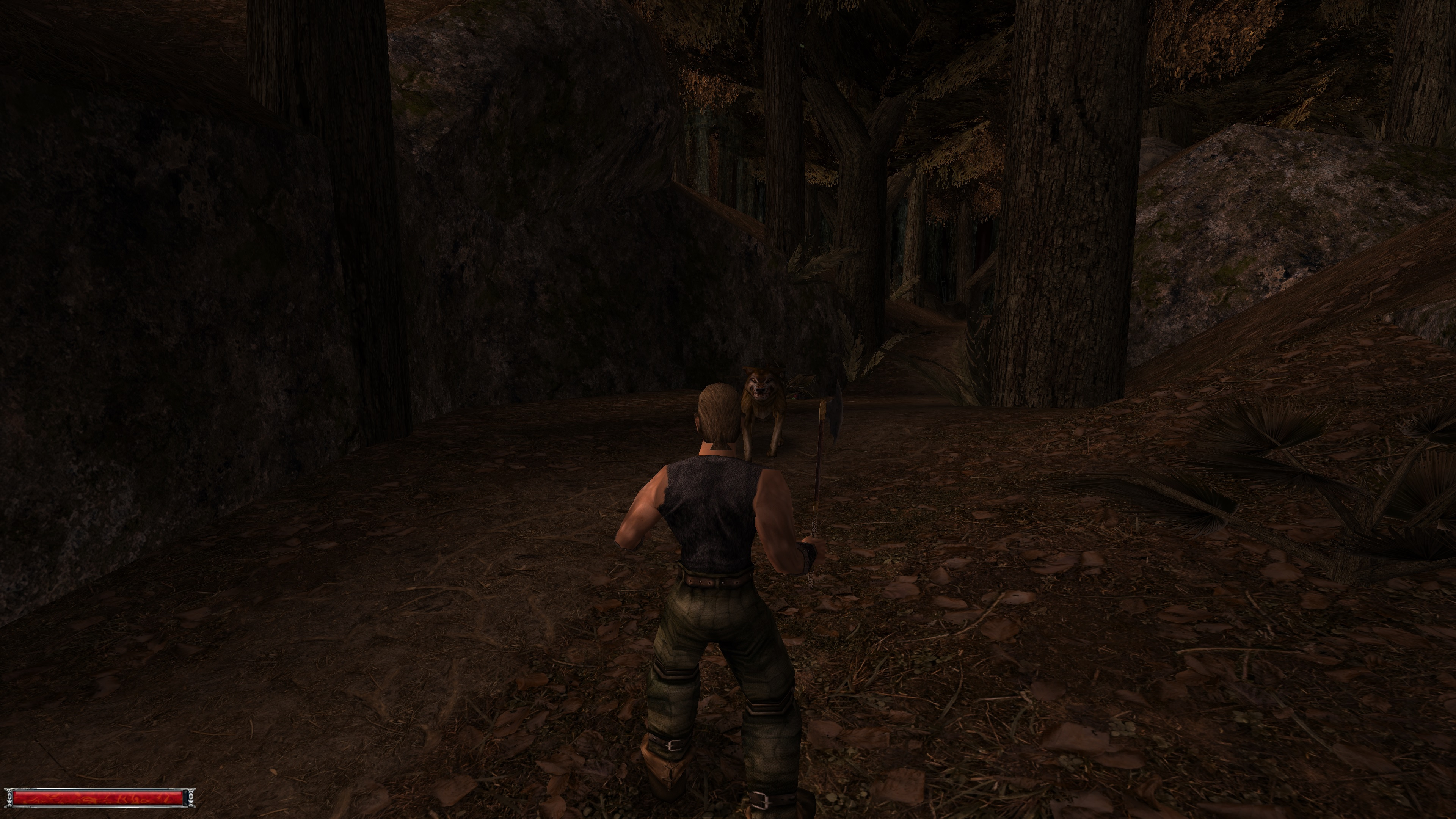
Without any contrast, the progression will feel stale as we don’t get to experience these triumphs. This is why using level scaling is a bad idea. While it ensures that we never become too weak to continue with the game, it also undercuts our sense of progress.
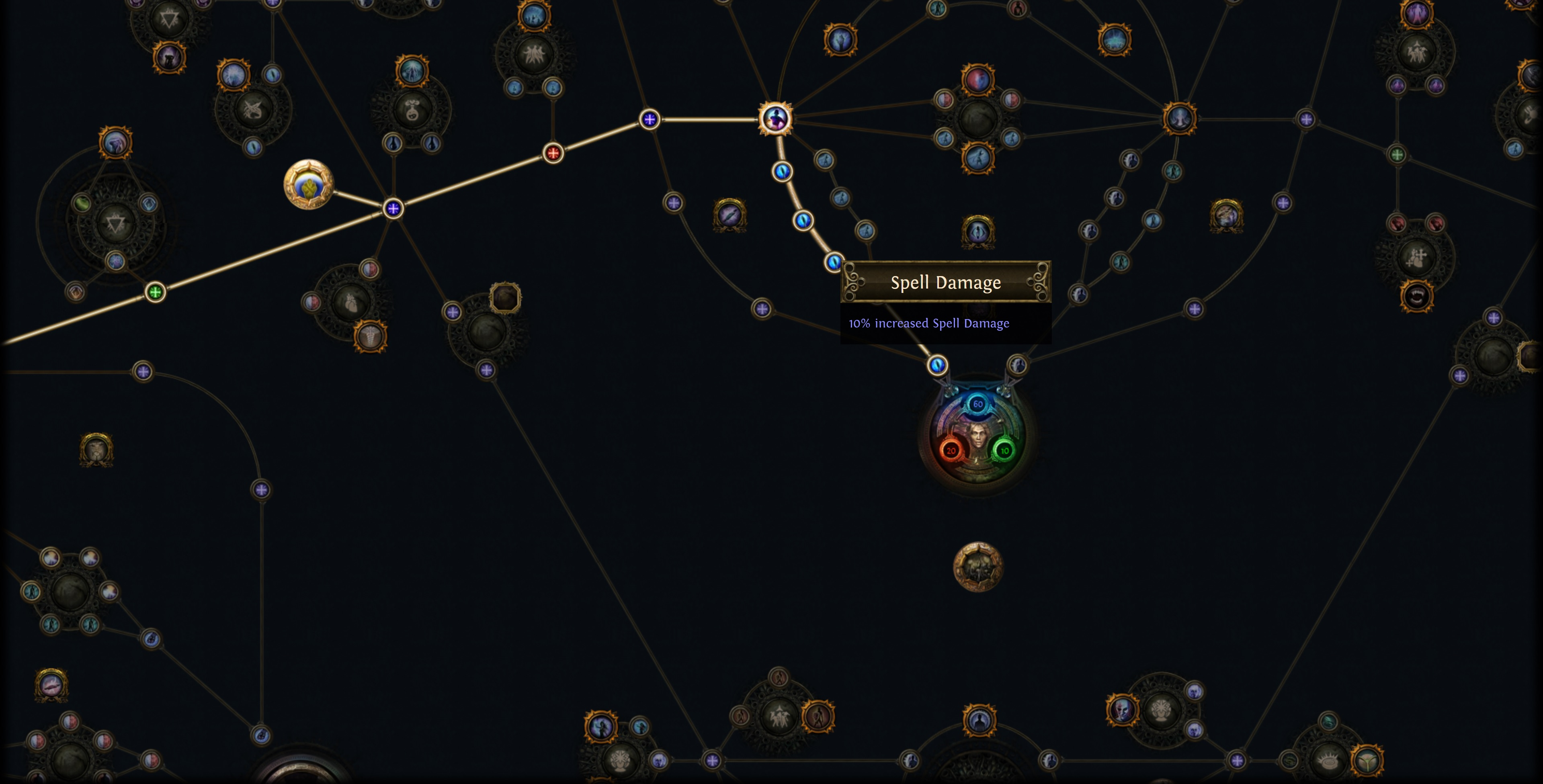
To build a good character progression, level-ups and gear upgrades need to bring noticeable improvements rather than tiny and mostly abstract improvements that we don’t feel while playing. Again, Gothic shows us how to do it right: we only rarely get better armor, but we can tell the difference immediately. By contrast, most level ups in Path of Exile aren’t really noticeable because many passive skills only provide tiny benefits. While these do add up in the long run, they are unsatisfying.
Conclusion
RPGs are about progression. It ties the different game elements together and is the main reason why these games are fun. Hence, RPG developers should focus on building a great character progression before worrying about other parts of the game.
As a side note, I don’t think that RPGs aren’t a great choice for telling an involved story. RPGs are very susceptible to ludonarrative dissonance, as many feature an epic main story in which the whole world is doomed unless we quickly do something. Nevertheless, very few have an actual time limit, so we can spend as much time as we want saving kittens in side quests and exploring the world.
Thanks for reading. Please consider subscribing to the Substack. Also, please share it with a friend. You can do both with these handy buttons below.
I think my favorite reductionist summary of RPGs is “watching bars go up” 😆. That progression is so satisfying.
Just read this. I'm glad you featured Torment. It was what get me hooked on RPGs. To me, life is like one. We start at level 1, and then we progress, acquiring skills and resources as we "level up", choosing what skills to develop and where to apply them. It all goes toward the final objective - the purpose of our stories. That's why I love the games. They show me how I could manage my life and how awesome I could be.